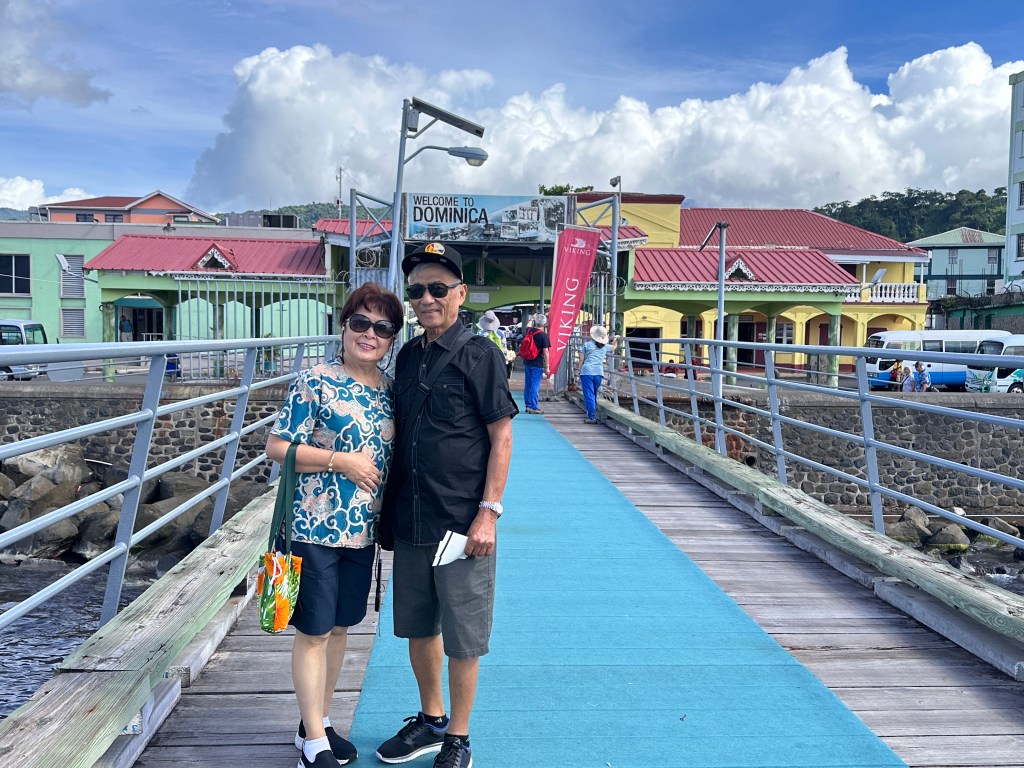
No, not the Dominican Republic as some folks think! Dominica is located in the Caribbean just like Dominican Republic. It was first claimed by France in the 17th century although no physical colonization occurred. Then the British established a small colony in the island in 1805 and used it as part of the trans-Atlantic slave trade. The Kalinago or Carib inhabited the island before it was discovered by Columbus.

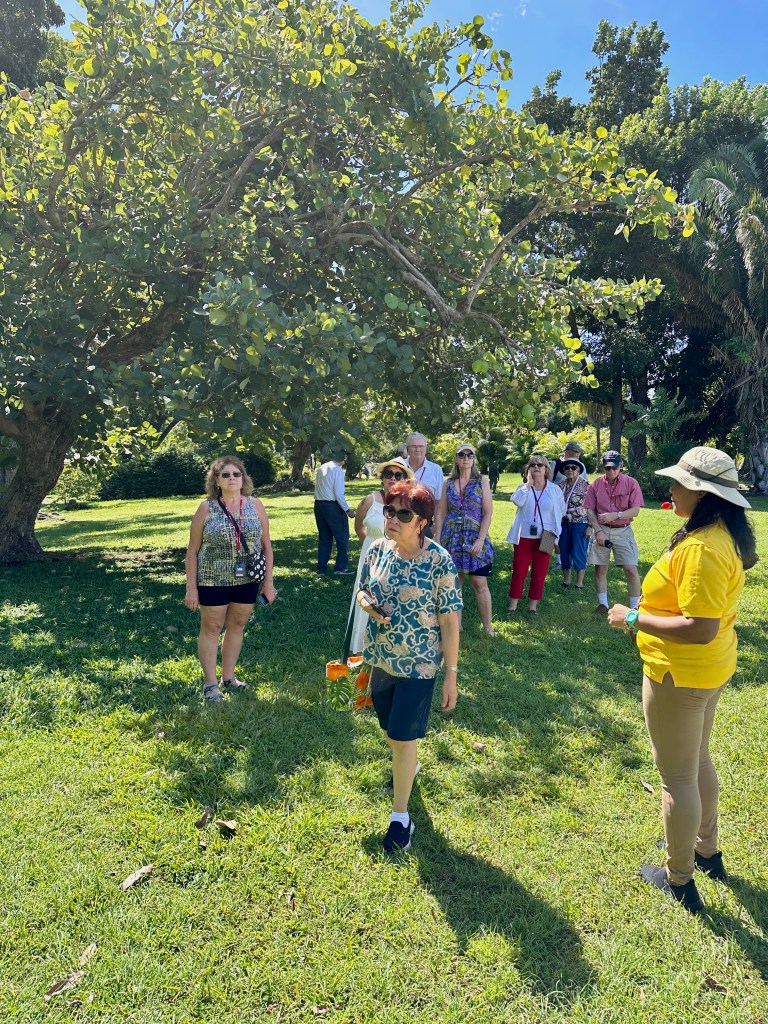
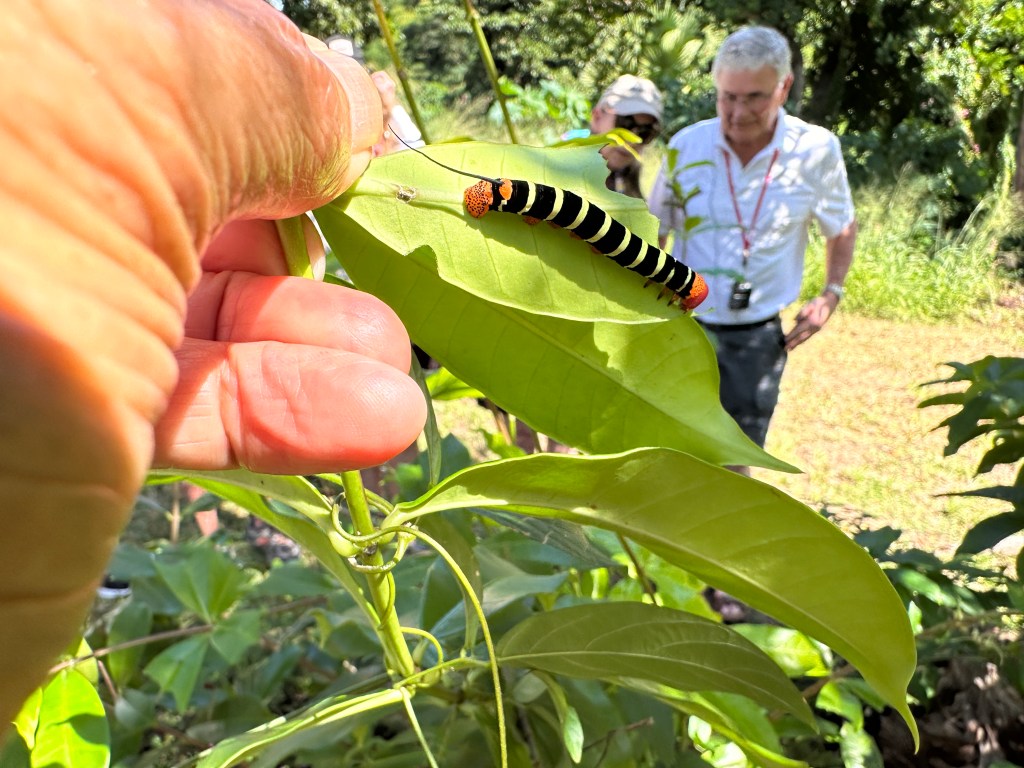
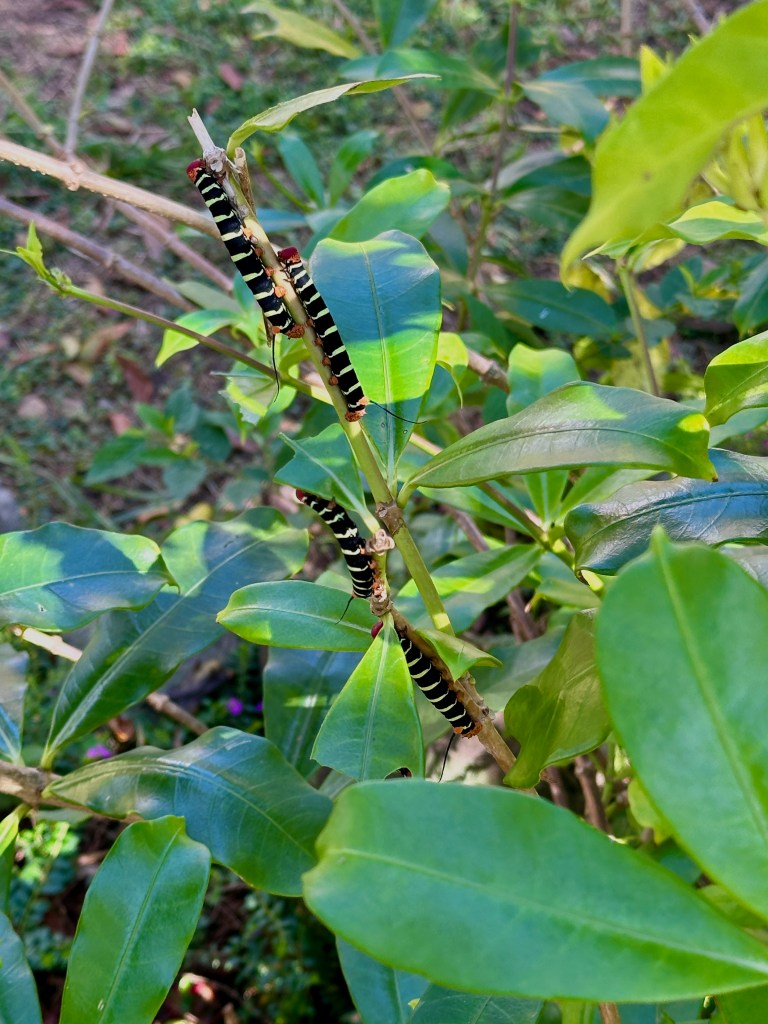
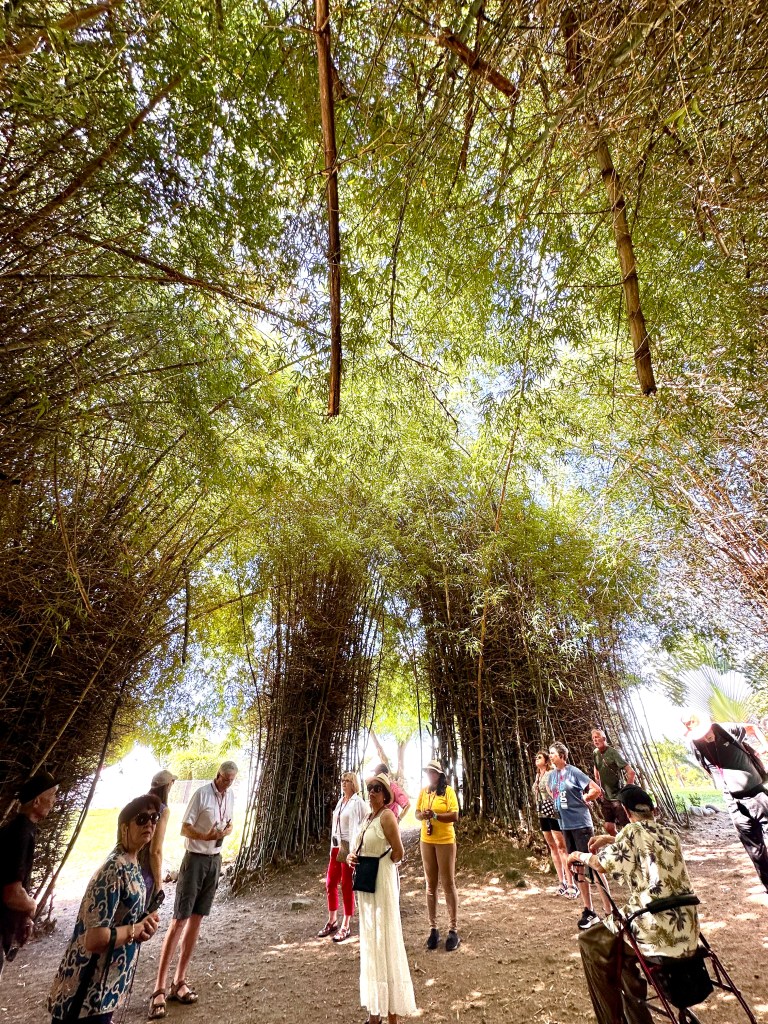
The island is 90 percent volcanic and 10 percent lime stone which makes it difficult for agriculture to thrive. However, Dominica is called the “Nature Isle of the Caribbean” and is celebrated for its mountainous rainforests and rare flora and fauna. We visited their Botanical Garden and saw several of these interesting plants. Cami explained the plants’ unique characteristics and really educated us on many of the local flora.


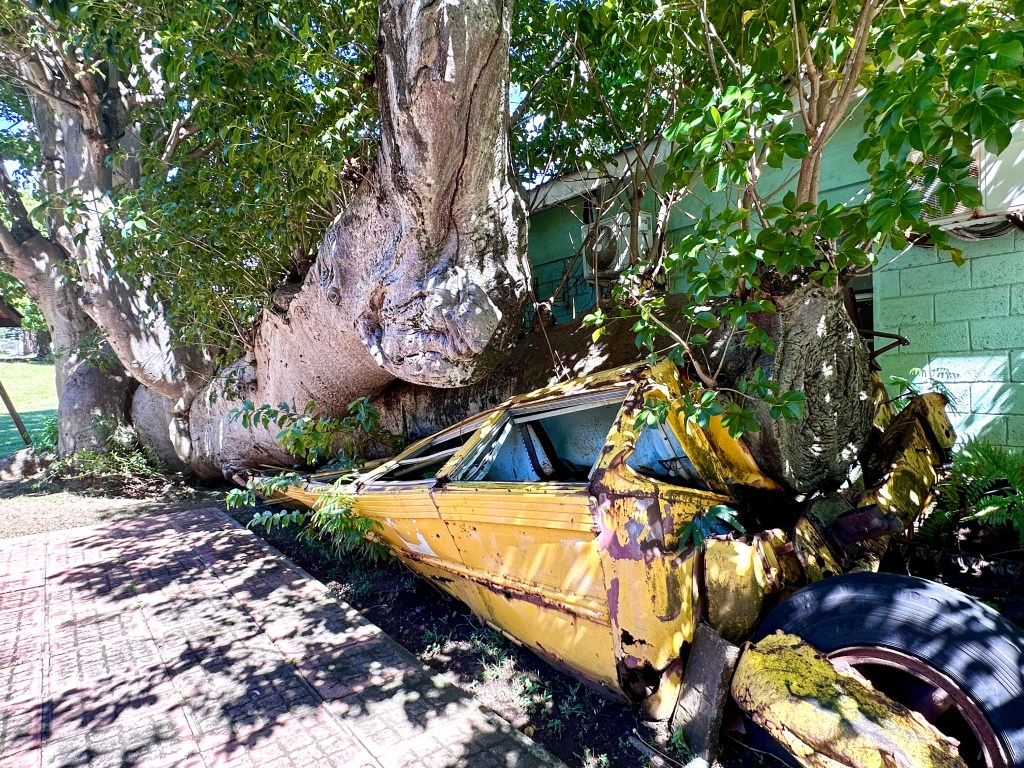
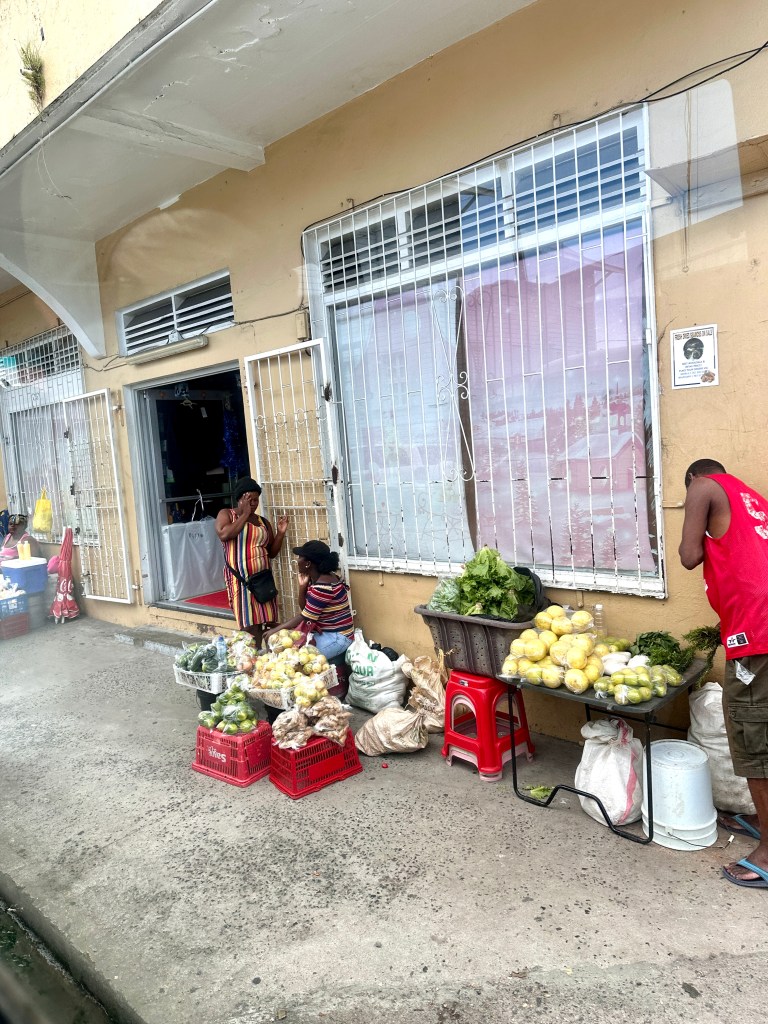
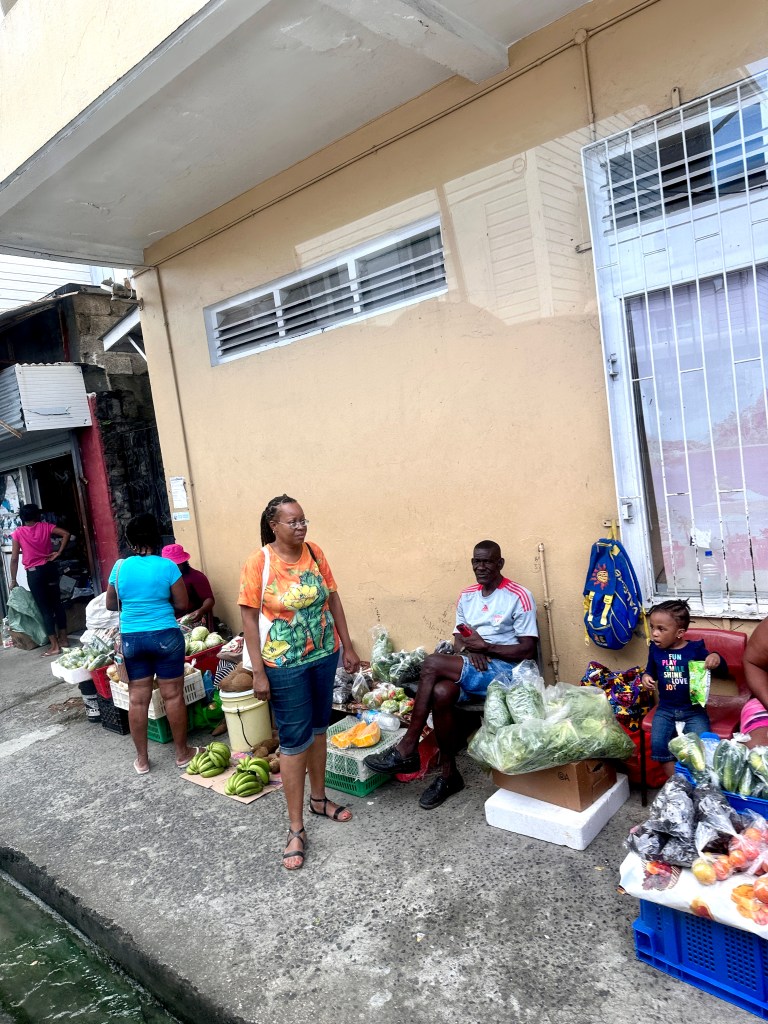
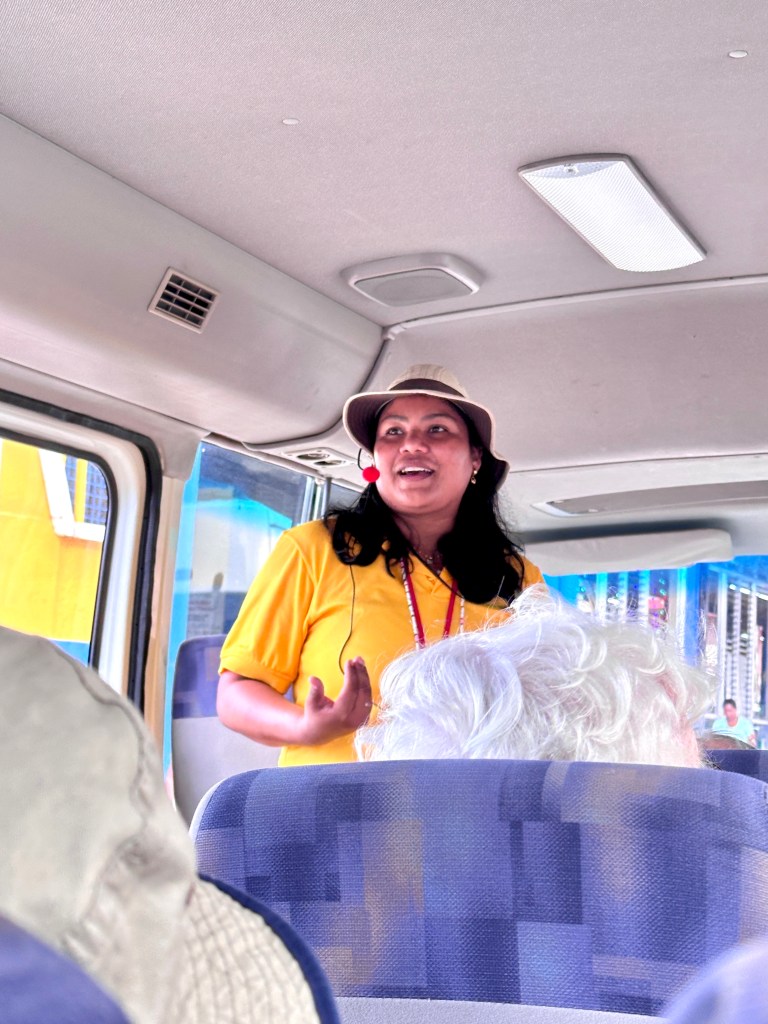
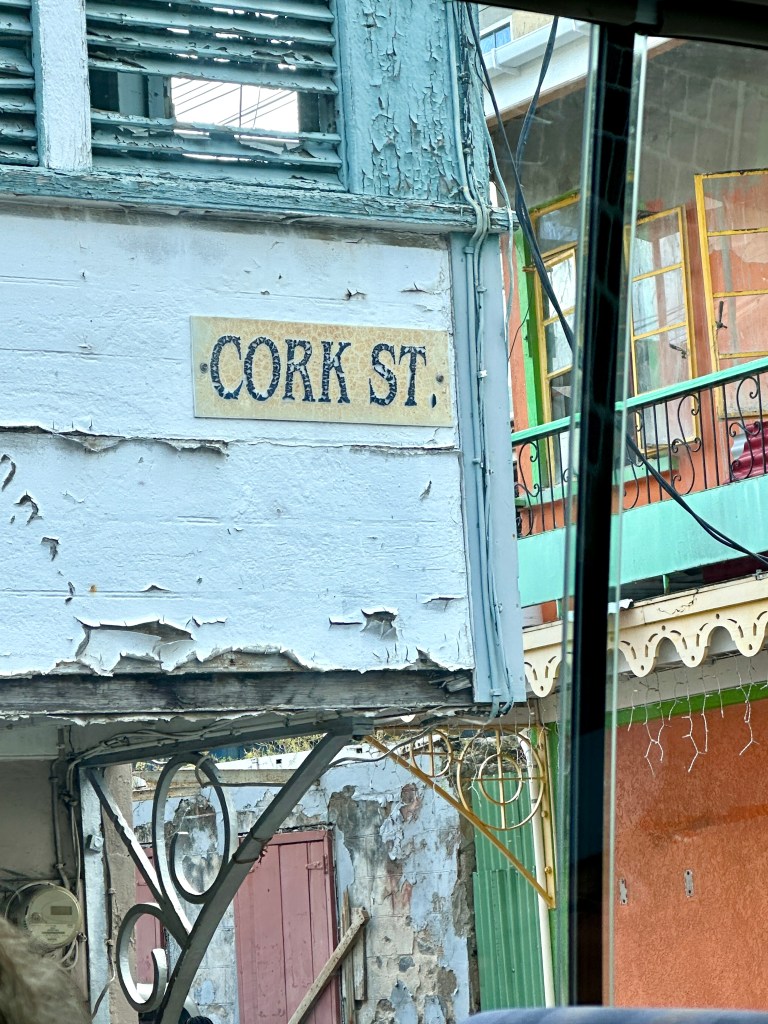
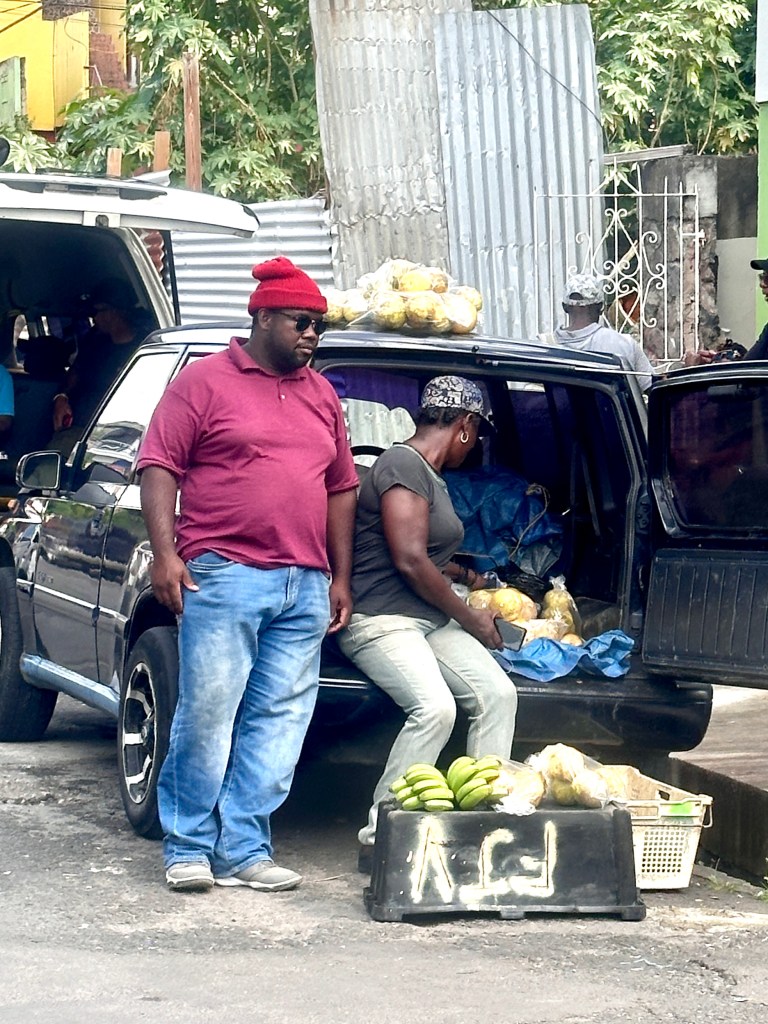
Our tour van took us through the tiny capital city of Roseau where we saw vegetable and fruit vendors selling in the streets and from the back of their vehicles. I saw the usual pastel-colored houses and a few run-down buildings that seemed neglected. Cami, our tour guide who is also a Kalinago (the indigenous inhabitants of the island) told us that the island was 95 percent devastated by Hurricane Maria in September 2017. The powerful destructive hurricane lingered on land for more than 4 hours causing havoc to the island. Until now, a large part of the infrastructure that was damaged had been left unrepaired!
Cami, the tour guide related a very interesting fact about the island. She said that there are many centenarians (100 years old and older) who lived in Dominica – one even lived to be 128 years old (Google it if you doubt it)! In fact Cami’s own grandmother lived to be 106 years old! So many old people who lived in the island that it was considered a “blue zone“. Blue Zones are places around the world (and they’re not that many) that are dedicated to creating healthy communities. The first in the US just recently recognized is in Albert Lea, Minnesota.
Our tour took us to a place where some of the handicrafts were made by blind people! They used rattan for the baskets. Trini bought a colorful kaftan which she proudly showed me, when I looked at the tag it says “Made in India“!

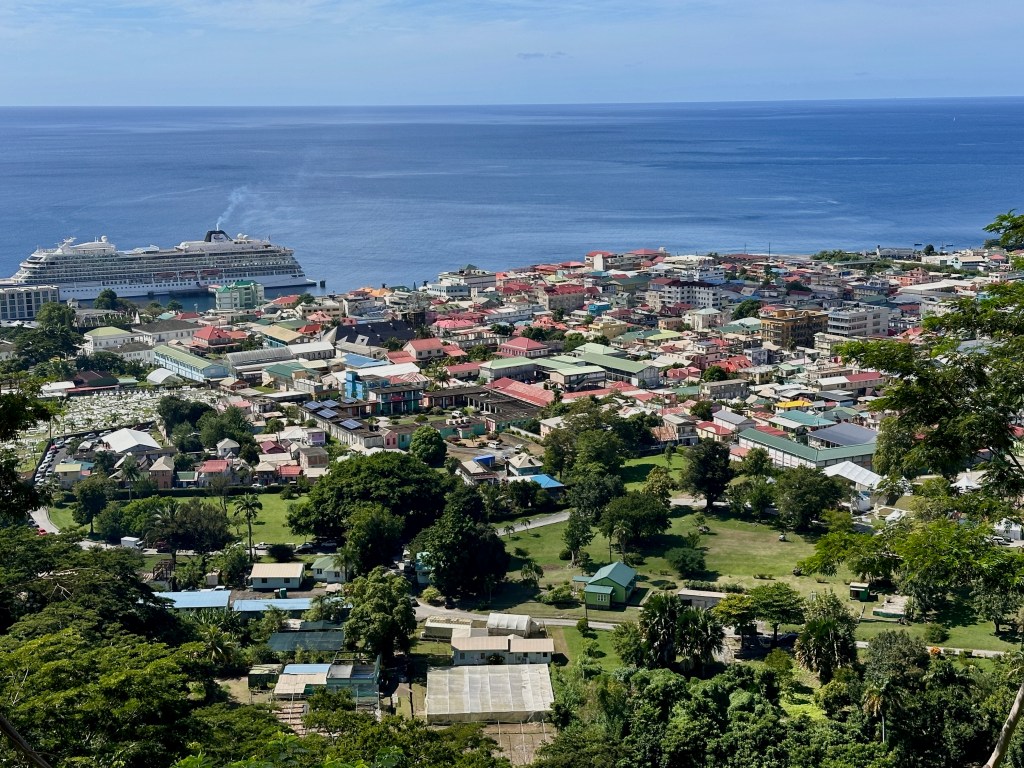
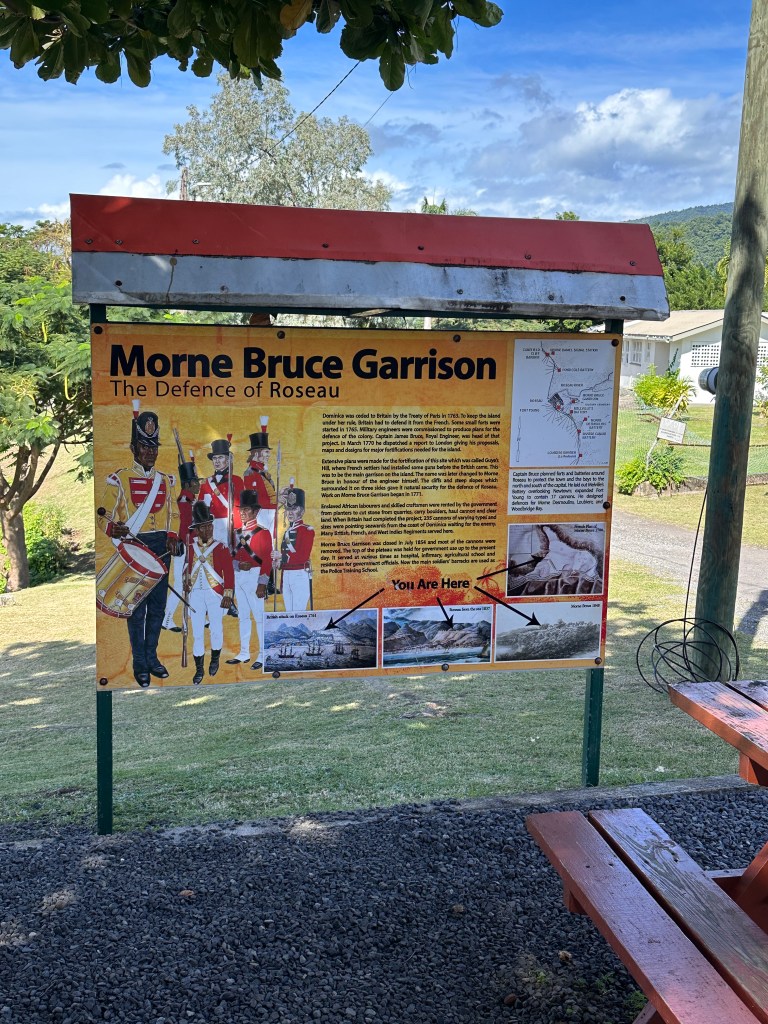
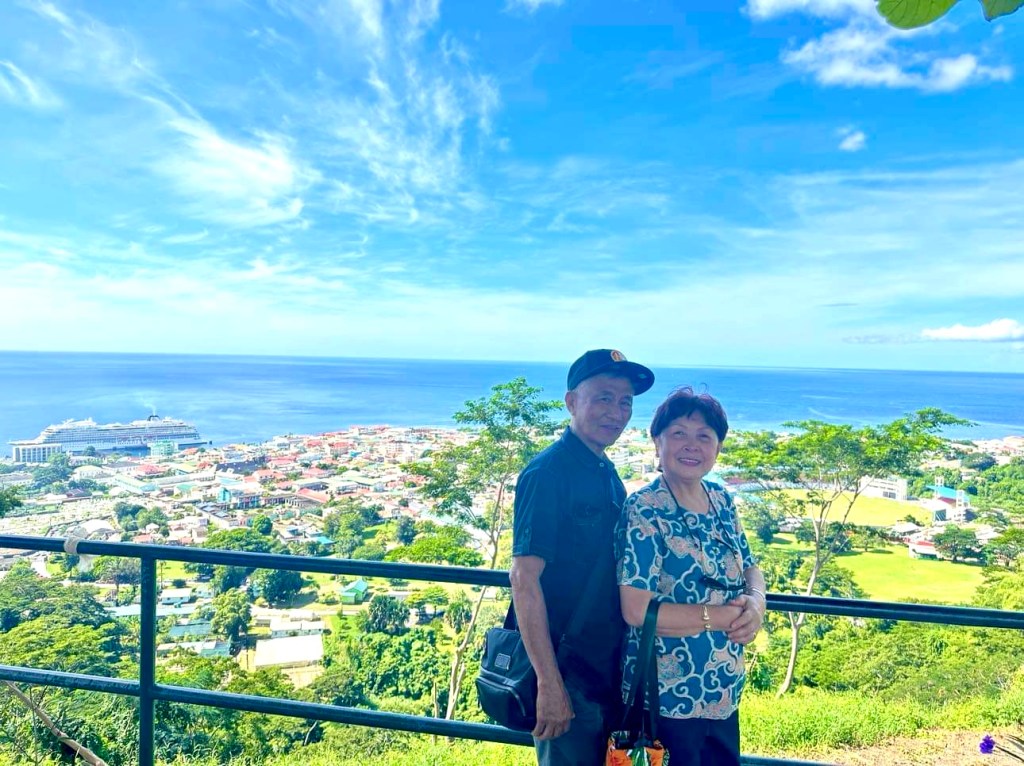
The last stop took us to a higher elevation that allowed us to admire the bluish colored water where the Atlantic Ocean and the Caribbean Sea converge, and the multi-hued buildings below. The view point is called Morne Bruce Garrison a former British fortification that was built to protect the island from the French.



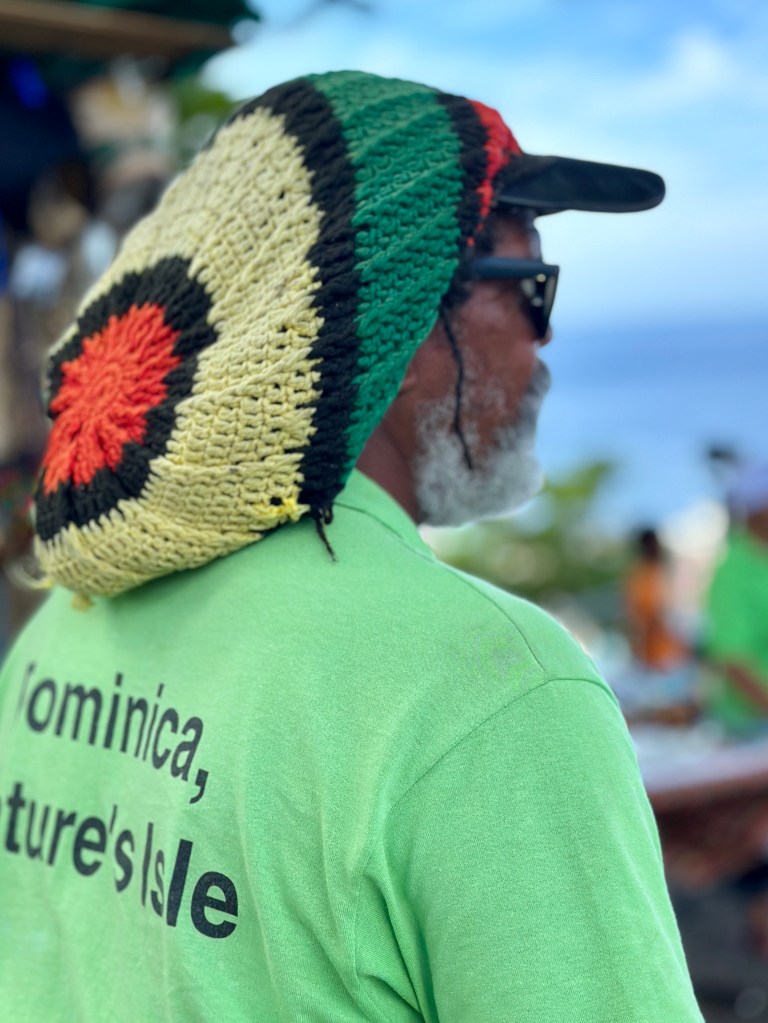
While at the Morne Garrison I spotted a man selling cold drinks and he was sporting a colorful knitted head gear (I surmised to hold his long dreadlocks). I bought a bottle of Caribe beer and asked him if I can take his picture, he gave me his permission so I snapped a couple of head shots (see below).

 The Senior Travelers' Blog Site